Bulkhead Repair in Hampton Roads, VA
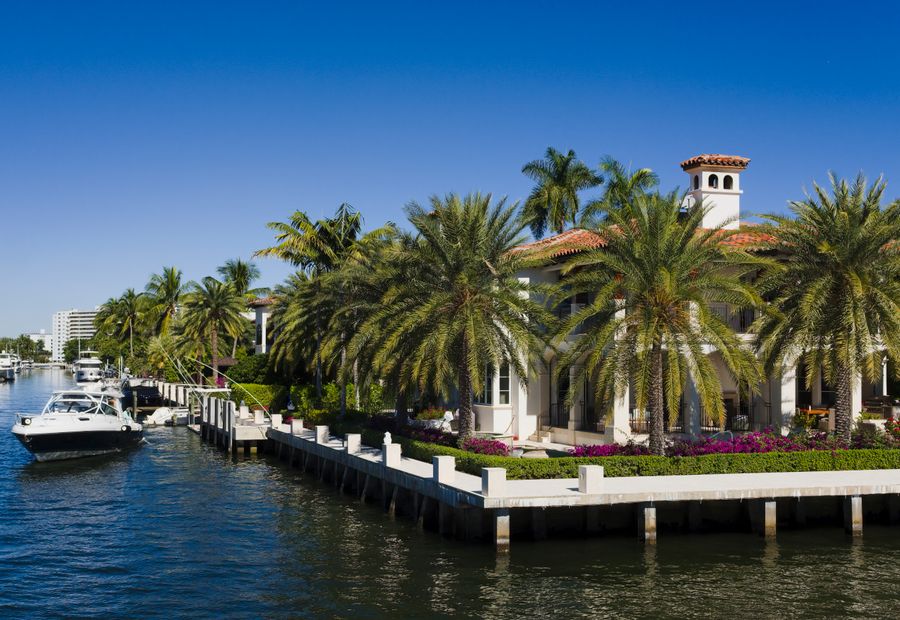
A bulkhead is the wall that holds your yard back from the water. On the tidal rivers of Hampton Roads, the Lynnhaven, the Elizabeth, the Lafayette, and the creeks and coves off the Chesapeake Bay, it is the single structure standing between your lawn and the river. When it starts to fail, the ground behind it does not wait. Hampton Roads Bulkhead repairs failing timber and vinyl bulkheads across Virginia Beach, Chesapeake, Norfolk, Portsmouth, and Newport News.
We are a local marine construction contractor, not a foundation-repair franchise. We do not inject your yard with foam and call the wall fixed. We rebuild the wall itself: the sheathing, the piles, the tie-backs, the cap, and the backfill behind it. That is what actually holds a tidal bank, and it is the only thing that lasts on salt water.
What a Failing Bulkhead Looks Like
The tide tells you before the wall falls. A dip or a sinkhole in the yard behind the cap means soil is draining out through a leak. A wall that leans out toward the river has lost its tie-backs and is being pushed over by the weight of the ground behind it. Boards or vinyl panels separating at the seams, a cap cracking along its length, rust bleeding from old hardware, and a soft spot you can feel underfoot all say the same thing: the wall is no longer tight, and the river is taking your yard through the gaps.
Why Bulkheads Fail Here
Hampton Roads is a hard place for a wall. The rivers are tidal and brackish, so the water rises and falls against the sheathing twice a day and works every seam. This region is also sinking while the sea rises, which is why so much of it floods on a full-moon tide, and that steady rise loads walls that were built for a lower water line. Add a nor'easter or a hurricane like Isabel and the surge overtops the cap, scours the toe, and tears out tie-backs. Old creosote timber walls reach the end of their life, the fasteners rust, and the anchors let go. The failure is almost never the face you see; it is the toe, the anchor, or the soil behind it.
How We Repair a Bulkhead
We start at the cause. If the wall has leaned, we reset it with new tie-backs and deadman anchors set back in stable ground. If the toe has scoured, we rebuild it so the wall stands on something. Where sheathing has rotted or cracked, we splice in new vinyl or timber, and where the yard has drained out we refill and compact the void and cap it so it stays put. A repair done this way buys real years. A repair that skips the anchor and the toe fails on the next spring tide.
When Repair Is the Wrong Answer
Not every wall is worth saving, and we will not pretend otherwise. When the sheathing is gone in long runs, the piles are eaten off at the mudline, and the whole wall leans past plumb, new anchors are money spent on a wall that is already lost. That is a replacement, and the written estimate shows both paths with real numbers so you can see why. We would rather lose the smaller job than sell you a patch that fails.
Built to the Virginia Permit
Work below the mean high water line in Virginia runs through the Joint Permit Application to the Virginia Marine Resources Commission, the Army Corps Norfolk District, and your city wetlands board. In-kind repair of a lawful wall is usually a lighter authorization; a new or relocated wall is the full review. We handle the permit side for what we build and tell you which category you are in before we quote, so the work is one that can actually be approved.
Losing ground behind your wall? Call (757) 555-0182. We will look at the cap, the lean, the toe, and the yard behind it and tell you plainly whether it is a repair or a rebuild.
How do I know my bulkhead is failing and not just old?
Look for the signs the water gives you. A yard that dips or sinks near the wall, a sinkhole or soft spot behind the cap, a wall that leans out toward the water, boards or panels that have separated at the seams, and a cap that is cracking or pulling loose. Any one of those means the wall is losing the fight with the tide, and the ground behind it is washing out through or under it. A bulkhead that is simply old but still tight and plumb is not urgent. A leaning one is.
Why is there a sinkhole in my yard behind the bulkhead?
The wall is leaking. A bulkhead holds your yard back from the river, and the tide pulls at it twice a day. When a seam opens, a tie-back lets go, or the toe scours out, soil drains out through the gap on the falling tide. You see it as a void, a soft spot, or an open sinkhole behind the cap. The hole in the yard is the symptom. The leak in the wall is the cause, and filling the hole without fixing the wall just gives the next tide more to take.
Can a bulkhead be repaired, or does the whole thing have to be replaced?
Often it can be repaired, and we tell you honestly which you are looking at. A wall with sound timber or sheathing but a failed tie-back, a scoured toe, or a cracked cap is a repair. New tie-backs and deadmen, a spot of new sheathing, fresh backfill, and a rebuilt cap can add years. When the sheathing is rotted through in runs, the piles are gone at the mudline, and the wall leans past saving, replacement is the honest call and we will say so rather than sell you a patch that fails by next season.
Do I need a permit to repair my bulkhead in Virginia?
It depends on the work. In-kind, in-place repair of an existing lawful bulkhead usually falls under a general or expedited authorization, while a new or relocated wall runs through the full Joint Permit Application to the Virginia Marine Resources Commission, the Army Corps Norfolk District, and your local wetlands board. We work the permit side for what we build and tell you up front which category your job is in, because building below the mean high water line without authorization is how a project gets ordered back out.
How fast should I act on a leaning bulkhead?
Sooner than you want to. A wall that has started to lean is already losing backfill, and each tide and each nor'easter takes more. Once the tie-backs are overloaded the failure speeds up, and a wall that could have been reset with new anchors becomes a full replacement. If your cap is cracking or the wall is out of plumb, get it looked at before the next storm season, not after.