Dock & Pier Repair in Hampton Roads, VA
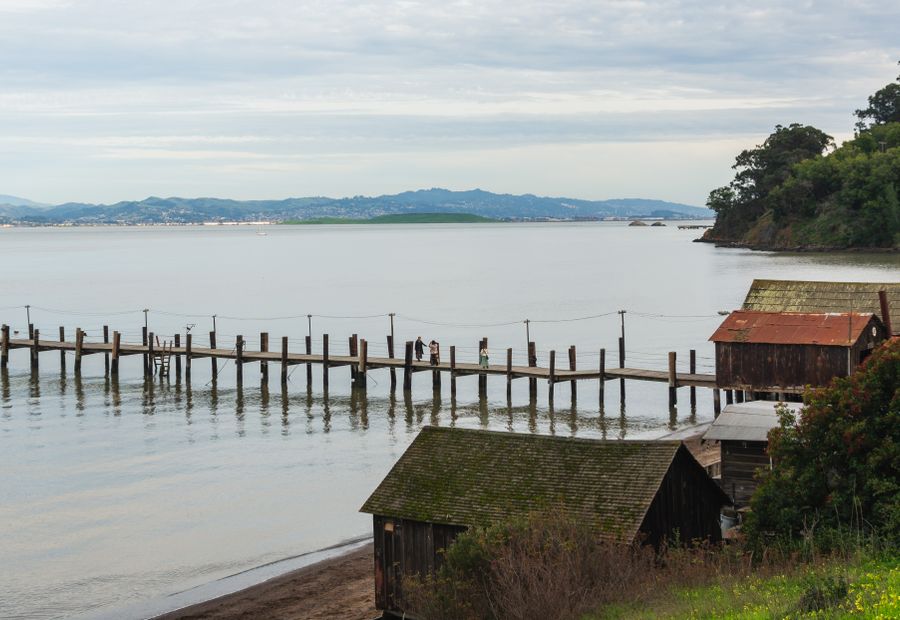
The same tide that works your bulkhead works your dock. Hampton Roads Bulkhead repairs and builds piers and docks across the Chesapeake Bay tidal rivers, from a few loose piles to a storm-torn pier, with the same crew and the same barge that handles the walls.
A marine contractor who builds bulkheads is the right one for your pier, because the two structures share pilings, tidal exposure, and the same permit, and they meet at the bank where a lot of dock problems actually start.
Pilings First
Most dock repairs are pile repairs. Timber piles rot at the tide line, work loose in the soft river bottom, or get bent by ice and storm. We pull and re-drive individual piles in timber or composite without rebuilding the whole pier when the framing above them is sound, and we re-secure the framing to the new piles. Where the framing has gone with the piles, we rebuild the run rather than hang new work on old.
Framing, Decking, and Hardware
Above the piles, the framing and decking take sun, wet, and salt. We replace rotted stringers and joists, re-deck in composite or treated lumber, and refasten with hot-dip galvanized or stainless hardware, because the fastener usually fails before the board on tidal water. Ladders, bumpers, and cleats that have rusted or worked loose get swapped so the dock is safe to use again.
Storm Damage
A nor'easter or a hurricane surge can lift a pier off its piles, snap a run, or drive debris through it. We rebuild storm-damaged sections and tie them into the sound structure, and we handle the whole pier where the damage runs through it. Where the same storm hit your bulkhead we address both together in one mobilization.
New Piers
We build new docks and piers sized to your water depth, tidal range, and the Joint Permit your shoreline allows, with a boat lift where you want one. The piling, framing, and decking are built for brackish tidal water from the start.
Loose piles or a storm-hit pier? Call (757) 555-0182 and we will look at the piles, the framing, and the bank where the dock meets the wall.
My dock piles are loose or rotted. Can you replace just the piles?
Yes. Individual piles that have rotted at the tide line or worked loose in the bottom can be pulled and re-driven without rebuilding the whole pier, as long as the framing they carry is still sound. We drive new timber or composite piles, re-secure the framing, and bring the dock back to solid. If the framing has gone with the piles, we tell you, because a new pile under rotted framing is money half spent.
Do you build docks as well as repair them?
We do both. The same crew that repairs piers builds new ones, so a repair that turns into a rebuild does not mean bringing in another company. New piers are sized to your water depth, your tidal range, and the Joint Permit your shoreline allows, with the piling, framing, and decking built for brackish tidal water.
Should the dock and the bulkhead be done together?
Often it is the smart way. If the bulkhead behind your dock is being repaired or replaced, doing the pier work in the same mobilization saves a second setup and makes sure the two structures work together where they meet at the bank. A dock tied into a failing wall is only as good as the wall, so we look at both and sequence them so they do not fight each other.
What decking lasts longest on a tidal pier?
Composite and quality pressure-treated lumber both outlast cheap wood on salt water. Composite gives a splinter-free surface that needs no staining and holds up to sun and wet; treated wood costs less up front and can be refastened and replaced board by board. We use hot-dip galvanized or stainless fasteners either way, because the fastener usually fails before the board does on tidal water.